
"There are 60 coffee-producing countries in the world"
300 article(s) found

Why is Blue Mountain Coffee so Special
What makes Jamaican Blue Mountain Coffee so special? One might ask, what is so special about Jamaican Blue Mountain Coffee? The answer is everything about it. The most favorable planting conditions in the world Jamaica's weather, geological structure and topography together provide a unique ideal place. Designated Jamaican Blue Mountain Coffee can only be grown in the Blue Mountain area, east of the island of Jamaica in Kingston.

Because of the best growing conditions in the world, Blue Mountain Coffee
The most favorable planting conditions in the world Jamaica's weather, geological structure and topography together provide a unique ideal place. The designated Jamaican Blue Mountain Coffee can only be grown in the Blue Mountain area, north-east of the island of Jamaica in Kingston. Coffee grows on the highest mountain of 1800 meters (about 6000 feet), which is already quite high for small-grain coffee, and
Five elements of the Special identity of Blue Mountain Coffee
The most favorable planting conditions in the world Jamaica's weather, geological structure and topography together provide a unique ideal place. The designated Jamaican Blue Mountain Coffee can only be grown in the Blue Mountain area, north-east of the island of Jamaica in Kingston. Coffee grows on the highest mountain of 1800 meters (about 6000 feet), which is already quite high for small-grain coffee, and

Jamaican Coffee Manor Silver Mountain Manor Fine Coffee beans taste introduction to Jamaican Blue Mountain Coffee
It makes me feel like a gem of quality. It is as precious as a gem. It's complex, but very mild, it's sweet, it's very mellow. You have to taste it to know what I'm talking about. Unique growth conditions and careful production make Jamaican Blue Mountain Coffee very famous. Jamaica is the region with low coffee production in the world.

A single cup of coffee sold in the world under the name of a country.
Coffee was first introduced to Colombia in 1808 when it was brought by a priest from the French Antilles via Venezuela. Today, the country is the second largest producer after Brazil, with an annual output of 13 million bags of 60 kg each, while Brazil produces 22 million bags a year. The status of coffee in Colombia can be seen in the following examples-all entering the

Introduction to the types of coffee the refreshing Colombian coffee
Coffee was first introduced to Colombia in 1808 when it was brought by a priest from the French Antilles via Venezuela. Today, the country is the second largest producer after Brazil, with an annual output of 13 million bags of 60 kg each, while Brazil produces 22 million bags a year. The status of coffee in Colombia can be seen in the following examples-all entering the

Colombian boutique coffee-one of the most sold individual coffees in the world
Coffee was first introduced to Colombia in 1808 when it was brought by a priest from the French Antilles via Venezuela. Today, the country is the second largest producer after Brazil, with an annual output of 13 million bags of 60 kg each, while Brazil produces 22 million bags a year. The status of coffee in Colombia can be seen in the following examples-all entering the

Colombian boutique coffee-one of the most sold individual coffees in the world
Coffee was first introduced to Colombia in 1808 when it was brought by a priest from the French Antilles via Venezuela. Today, the country is the second largest producer after Brazil, with an annual output of 13 million bags of 60 kg each, while Brazil produces 22 million bags a year. The status of coffee in Colombia can be seen in the following examples-all entering the

Nicaraguan coffee characteristics, uses, coffee producing area & output, general situation of coffee production and marketing over the years
For the exchange of professional baristas, please follow the coffee workshop (Wechat official account cafe_style) the Republic of Nicaragua is the largest country in Central America, covering an area of 130000 1670 square kilometers. It is bordered by Honduras to the north, Costa Rica to the south, the Caribbean Sea to the east and the Pacific Ocean to the west, between latitudes 11 and 15 degrees north. The country is divided into three major geographical regions, namely, the central isthmus and the Pacific Ocean.

General knowledge of Coffee Culture the Development History of Colombian Coffee
Coffee was first introduced to Colombia in 1808 when it was brought by a priest from the French Antilles via Venezuela. Today, the country is the second largest producer after Brazil, with an annual output of 13 million bags of 60 kg each, while Brazil produces 22 million bags a year. The status of coffee in Colombia can be seen in the following examples-all entering the

Coffee Common sense Blue Mountain Coffee Why is it so Special
What makes Jamaican Blue Mountain Coffee so special? One might ask, what is so special about Jamaican Blue Mountain Coffee? The answer is everything about it. The most favorable planting conditions in the world Jamaica's weather, geological structure and topography together provide a unique ideal place. Designated Jamaican Blue Mountain Coffee can only be grown in the Blue Mountain area, east of the island of Jamaica in Kingston.

The basics of coffee beans
Coffee belongs to the evergreen shrub of the genus Rubiaceae, which is centered in the tropics. There are about 6000 species of Rubiaceae belonging to 500 genera. Coffee has always been thought to have certain effects, such as strengthening the stomach, waking up the brain, stopping bleeding, dissipating heat, strengthening the body, and so on. The more famous Rubiaceae plant is Gardenia jasminoides, whose fruit was dried and used as medicinal material a long time ago.

What factors and what environment makes Jamaican Blue Mountain Coffee so delicious?
What makes Jamaican Blue Mountain Coffee so special? One might ask, what is so special about Jamaican Blue Mountain Coffee? The answer is everything about it. The most favorable planting conditions in the world Jamaica's weather, geological structure and topography together provide a unique ideal place. Designated Jamaican Blue Mountain Coffee can only be grown in the Blue Mountain area, east of the island of Jamaica in Kingston.

Coffee Manor in Jamaica Silver Mountain Manor in St. Thomas
Jamaica is one of the small coffee producing regions in the world, with an annual harvest of about 40000 bags-60 kg / sack (most of the Jamaican Blue Mountain coffee is actually shipped away in 70 kg barrels, they are the last countries to still use this traditional packaging method, but they produce 60 kg/ sacks, as that is the international standard for measuring coffee production). Ratio

Coffee characteristics, uses and Coffee producing areas in Guatemala & output, production and Marketing of Coffee products over the years
For the exchange of professional baristas, please pay attention to the coffee workshop (Wechat official account cafe_style) Guatemala is located in the north of Central America, west and north of Mexico, east of Belize and the Caribbean, southeast of Honduras and El Salvador, south of the Pacific Ocean. Topography: the terrain of Guatemala changes obviously and can be divided into three major parts: the northern lowland: Petn region, at an altitude of 20000.
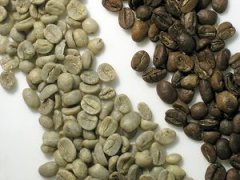
Colombian coffee is one of the individual coffees sold in the world under the name of the country.
Coffee was first introduced to Colombia in 1808 when it was brought by a priest from the French Antilles via Venezuela. Today, the country is the second largest producer after Brazil, with an annual output of 13 million bags of 60 kg each, while Brazil produces 22 million bags a year. The status of coffee in Colombia can be seen in the following examples-all entering the

What is Colombian coffee? Where is the main producing area of Colombian coffee?
For more information on coffee beans, please follow the coffee workshop (Wechat official account cafe_style) in 1808, coffee was first introduced to Colombia by a priest from the French Antilles via Venezuela. Today, the country is the second largest producer after Brazil, with an annual output of 13 million bags of 60 kg each, while Brazil

The basic knowledge of coffee beans coffee three original species introduction
Coffee belongs to the evergreen shrubs of the genus Coffee of Rubiaceae, centered in tropical regions, with about 500 genera and 6000 species of Rubiaceae plants distributed here. Coffee has long been thought to have certain medicinal effects, such as invigorating stomach, refreshing mind, stopping bleeding, dissipating heat, strengthening body, etc. More famous Rubiaceae plants and gardenia, its fruit has long been dried as medicine
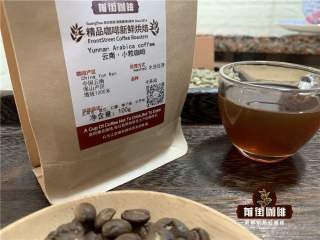
Hand-made Yunnan small coffee beans? Flavor characteristics of Yunnan iron pickup and Katim cooking methods
Professional coffee knowledge exchange more coffee bean information please follow the coffee workshop (Wechat official account cafe_style) how to hand make Yunnan small coffee beans? What are the skills of cooking Yunnan Huaguo Mountain with V60? What kind of gouache ratio do you use? [preface] handmade coffee has been very popular in recent years, and many people want to enter this.
How much is exquisite Blue Mountain Coffee? a box of mocha coffee
Blue Mountain Coffee can maintain its top status today, which is closely related to the local management policy. In 1932, Jamaica reduced the island's dependence on sugar exports through policies to encourage coffee production. Unlike most coffee-producing countries, the local government does not plant a large number of high-yield and poor-quality coffee in order to increase the output value, but prefer to sacrifice the output to ensure the quality.